To my limited understanding LNG or Propane use would be limited due to storage. They are great for big equipment and limited use in enclosed spaces. Think city busses and forklifts. But the energy stored is less than gasoline by volume. So you need a bigger storage tank that is much more robust for the same range.
Propane is commonly used in a 'gas' style engine and requires a mixer.
Our propane conversion kits are designed and engineered to withstand years of use and rigorous off-road abuse – just hammer the gas pedal!

gotpropane.com
LNG is better but is less energy dense. Conversion is additional to the basic engine here too.
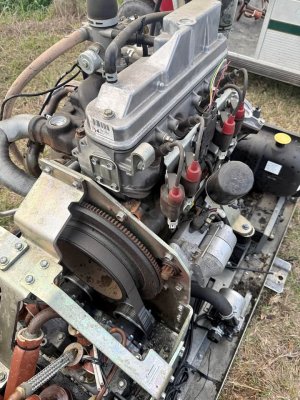
Diesel VS gasoline tends to be more 'grunt' or torque and usually half the RPM range. Most Ts are light loads. I'd guess you could size a diesel to handle the load and speed ranges desired. I'd expect it to be less maintenance and much better MPG, but also require more transmission speeds and probably be the same or more cost to research, source and fit as a basic 350/350 combo and have very poor resale value. You can be a unique trailblazer, but I don't want to sit in traffic smelling my own exhaust.
I'm not trying to be a naysayer here, just explaining why the default has been what is so common. Over time, gasoline has had the most refinement in producing bang for the buck and sized for a passenger vehicle. The infrastructure (supply outlets - gas stations) also also outweighs other choices.
Rich Rebuilds built an electric hot rod and there have been others.
www.youtube.com/watch?v=v68j01KiLG8
Again, it is limited by storage capacity (weight and size) and choosing and buying low cost parts to assemble. A common fear among car hobby people is wiring. When dealing with volts and amps that can kill, that concern goes thru the roof! I could see someone selecting a motor, converter, controller and support equipment to offer a 'package' and this has been shown at SEMA a couple times.
ElectrifyingExperience Revolt Systems specializes in developing high output electric drive systems for classic cars and hot rods. Sparing no expense on creating superior quality powertrains that will give you a ride that you will never forget. Our products are proudly 100% engineered...

revoltsystems.com
But the R&D for cheap pick list for the hobbyist isn't quite there yet.
I will also mention that when all this is applied to the focus of this forum, the T-Bucket, these choices are even more narrowed by the main constraints of the design. First very light weight, second very limited space and finally just about everything is visible.
You can't slap a Tesla battery pack underneath. The older battery packs measure roughly 81 inches long, 44 inches wide, and 5 inches thick, installed flat beneath the vehicle floor.
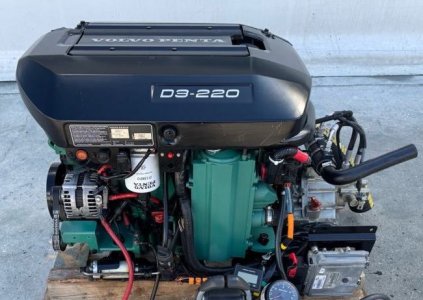
A 200 HP Volvo marine diesel isn't going to appeal visually even if you chromed a bunch of stuff.




 www.facebook.com